Social media isn’t optional for restaurants anymore, it’s the primary way customers discover where to eat. In 2026, 77% of diners check a restaurant’s social media before visiting, and 69% have tried a new restaurant because of something they saw on Instagram or TikTok.
But most restaurant owners are doing social media wrong. They post inconsistently, use poor-quality photos, ignore engagement, and wonder why it isn’t working. This guide is the complete playbook, everything you need to build a social media presence that actually drives customers through your door.
Why Social Media Matters for Restaurants in 2026
The restaurant industry has shifted dramatically. Traditional advertising, print ads, radio spots, mailers, still exists, but it’s no longer where customers are looking. Here’s the reality:
- Discovery has moved online: Google Maps and social media are the top two ways people find new restaurants, surpassing word-of-mouth for the first time in 2025
- Visual-first decisions: Customers decide whether your food looks worth trying based entirely on your photos and videos
- Trust through transparency: Behind-the-scenes content, team introductions, and real customer stories build trust that polished ads can’t
- Free organic reach still exists: Unlike paid advertising, organic social media content can reach thousands of local customers at zero cost
- Retention, not just acquisition: Social media keeps you top-of-mind with existing customers, driving repeat visits
The restaurants that invest in social media consistently outperform those that don’t, and it’s not close. A well-executed social strategy can be worth $5,000–$15,000 per month in new customer revenue. For a data-driven look at the numbers, read our food photography ROI analysis.
Choosing the Right Platforms: Instagram vs TikTok vs Facebook
You don’t need to be everywhere. In fact, being mediocre on five platforms is worse than being excellent on two. Here’s how to choose:
Instagram (Essential for Every Restaurant)
Instagram is still the #1 platform for restaurants. It’s visual-first, has strong local discovery features, and your customers are already there.
- Best for: All restaurant types, from food trucks to fine dining
- Key features: Reels (short video), Stories (24-hour content), Feed posts (permanent gallery), Location tags
- Audience: 25–45 age range, foodies, local discovery
- Priority level: Must-have
TikTok (High Growth Potential)
TikTok’s algorithm is uniquely powerful for restaurants because it surfaces content to local users even if you have zero followers. A single viral TikTok can drive hundreds of new customers.
- Best for: Casual dining, fast-casual, trendy concepts, anything visually dynamic
- Key features: For You Page algorithm, duets, trending sounds, local feed
- Audience: 18–35 age range, discovery-driven, high engagement
- Priority level: Strongly recommended
Facebook (Still Relevant for Local)
Facebook isn’t trendy, but it’s still where many local communities discuss restaurants. Facebook Groups, Events, and Marketplace are underrated for restaurant marketing.
- Best for: Family restaurants, established businesses, event-driven restaurants
- Key features: Business page, Groups, Events, Reviews, Marketplace ads
- Audience: 35–65 age range, families, local community
- Priority level: Nice to have (repurpose Instagram content)
Our Recommendation
Start with Instagram + TikTok. Cross-post your Reels to TikTok (minor reformatting). Share to Facebook as a bonus. This gives you maximum reach with minimum extra effort.
The 4 Content Pillars for Restaurant Social Media
Every successful restaurant social media account follows a content framework. We recommend four pillars, each serving a different purpose:
Pillar 1: Food Shots (40% of Content)
This is your bread and butter, literally. Beautifully photographed dishes that make people crave your food. Include:
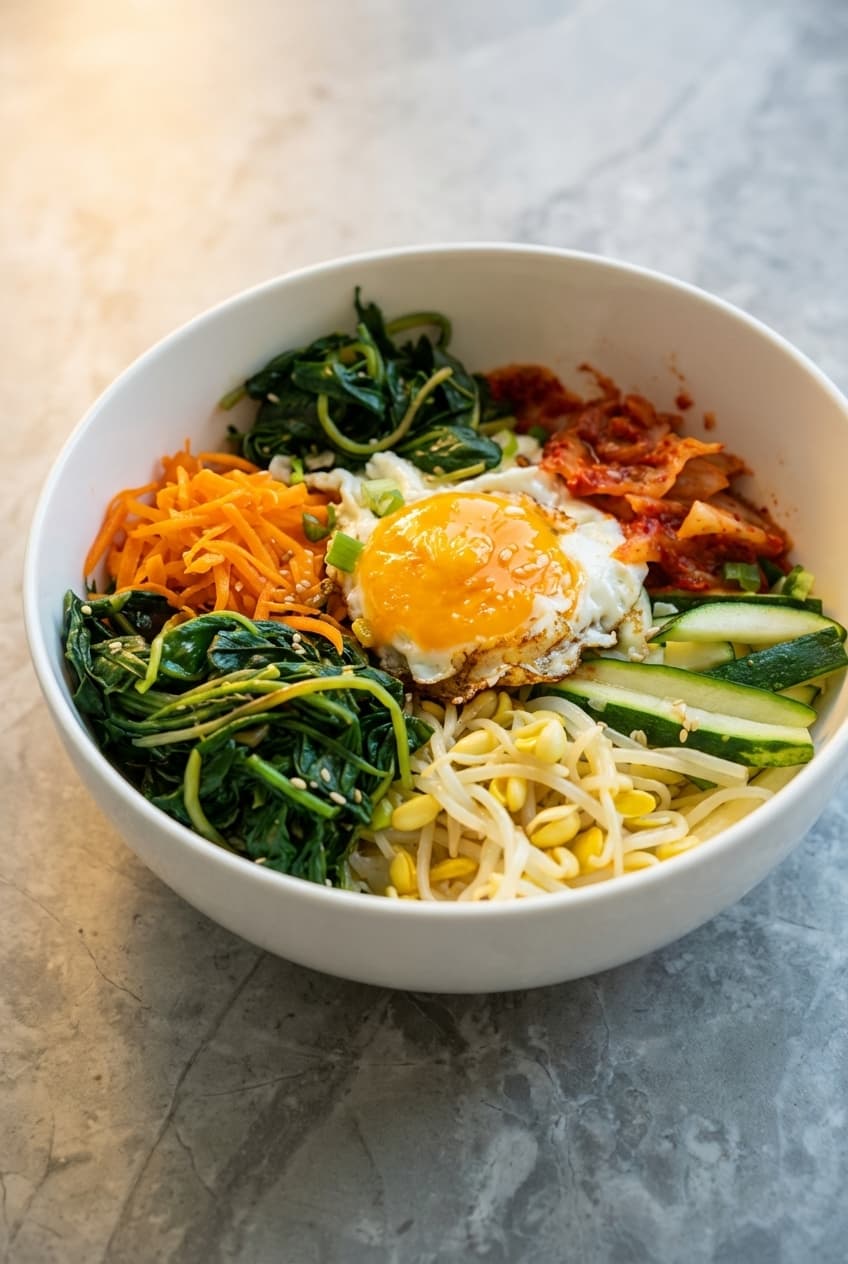
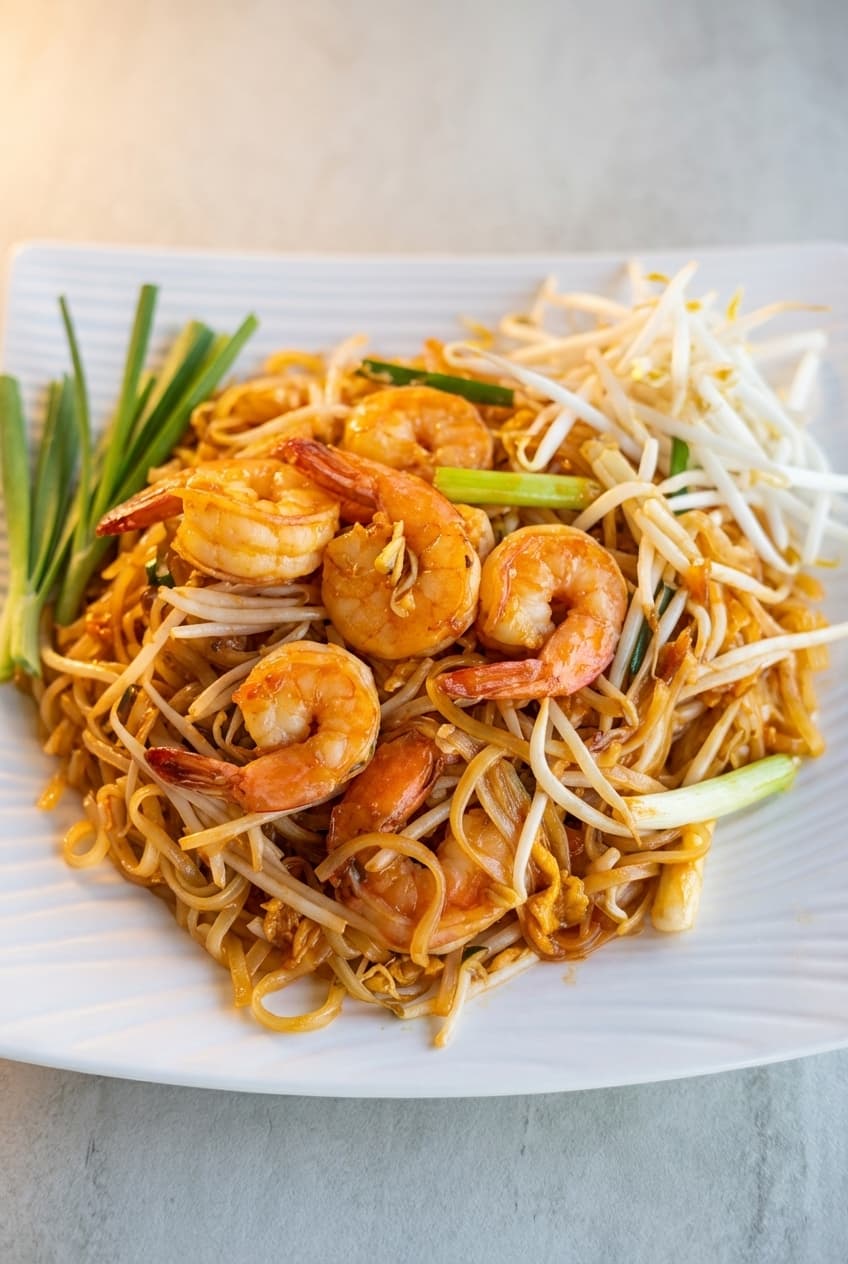
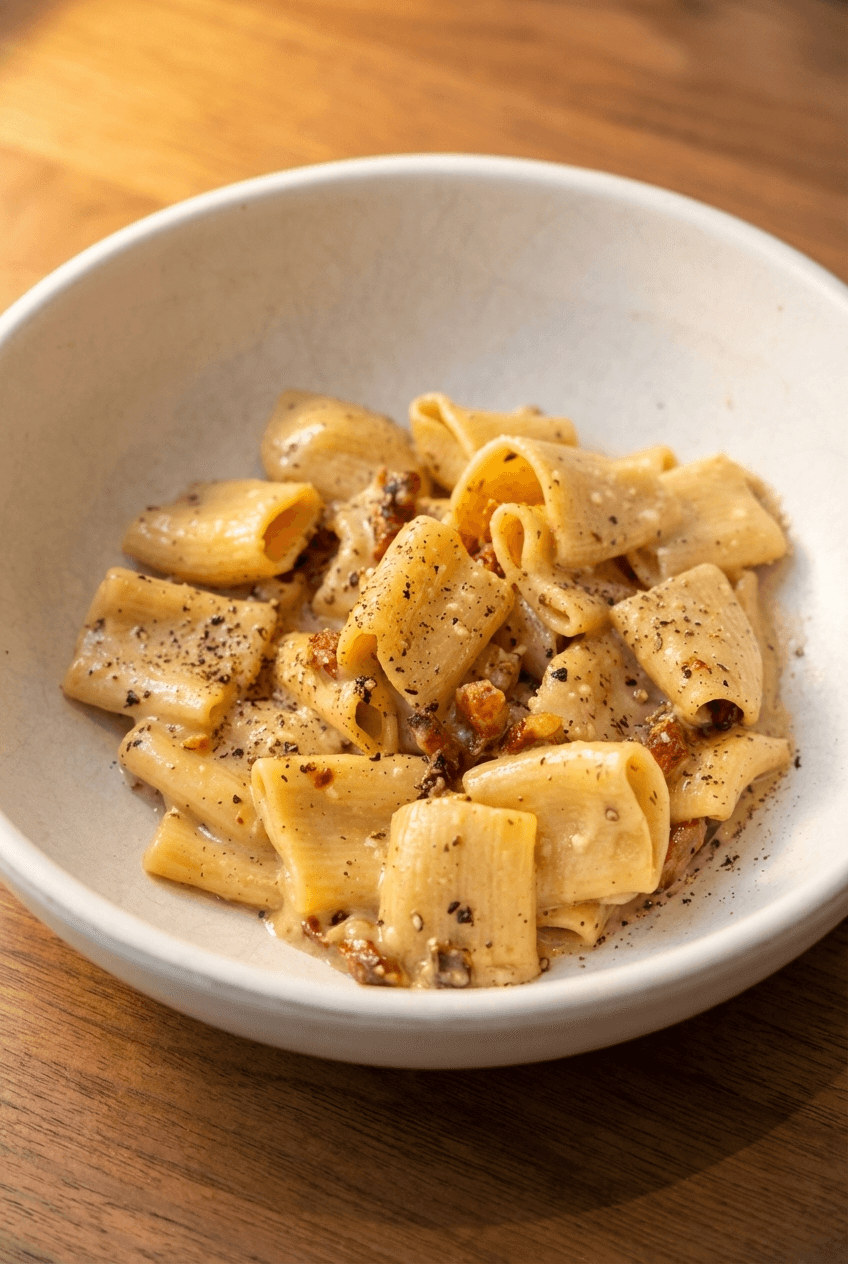
- Hero shots of signature dishes (see our lighting guide for setup tips)
- Close-ups showing texture and detail (cheese pulls, sauce drizzles, steam rising)
- Flat lays of full table spreads
- New menu item reveals
- Seasonal specials and limited-time offers
Pillar 2: Behind the Scenes (25% of Content)
Behind-the-scenes content humanizes your restaurant and builds emotional connection:
- Kitchen prep and cooking process
- Morning market runs or ingredient sourcing
- Plating a dish from start to finish
- Restaurant setup before opening
- Chef’s creativity process for new dishes
Pillar 3: Team & Culture (20% of Content)
People connect with people, not businesses. Showcasing your team creates loyalty:
- Staff introductions (“Meet our head chef”)
- Team celebrations and milestones
- Day-in-the-life content
- Funny kitchen moments
- Hiring announcements (shows growth)
Pillar 4: Customer Stories (15% of Content)
Social proof is the most powerful marketing tool available:
- Customer reviews and testimonials (as graphics or video)
- User-generated content (repost customer photos with credit)
- First-bite reaction videos
- Regular customer spotlights
- Event and celebration photos (birthdays, anniversaries)
Posting Frequency: How Often to Post Per Platform
Consistency matters more than frequency. Posting three times a week every week is better than posting daily for two weeks and then going silent. Here’s the ideal frequency:
- Feed posts: 3–4 per week
- Reels: 3–5 per week (highest reach potential)
- Stories: Daily (5–10 story frames per day)
TikTok
- Videos: 4–7 per week (algorithm rewards frequency)
- Minimum viable: 3 per week
- Posts: 3–5 per week (repurpose Instagram content)
- Events: Whenever you have one (weekly specials count)
Sample Weekly Schedule
| Day | Content Type | Pillar | Platform |
|---|---|---|---|
| Monday | Weekly special reveal (Reel) | Food Shots | IG + TikTok |
| Tuesday | Kitchen prep process (Reel) | Behind the Scenes | IG + TikTok |
| Wednesday | Dish close-up (Photo) | Food Shots | IG + FB |
| Thursday | Team spotlight (Reel) | Team & Culture | IG + TikTok |
| Friday | Weekend menu preview (Carousel) | Food Shots | IG + FB |
| Saturday | Busy night energy (Reel) | Behind the Scenes | IG + TikTok |
| Sunday | Customer review graphic | Customer Stories | IG + FB |
Hashtag Strategy That Actually Works
Hashtags aren’t dead, they’re just misunderstood. Here’s how to use them effectively:
The 3-Tier System
- Broad hashtags (3–5): #foodphotography #foodie #restaurant #instafood, these have millions of posts but establish context
- Niche hashtags (5–8): #italianrestaurant #handmadepasta #finediningnyc, more specific to your cuisine and location
- Local hashtags (5–7): #nycfood #brooklyneats #williamsburgrestaruants, these are where local discovery happens
Rules
- Use 15–20 hashtags per Instagram post (in the first comment, not the caption)
- TikTok: 3–5 hashtags maximum (algorithm-driven, hashtags matter less)
- Rotate your hashtag sets to avoid being flagged as spam
- Create a branded hashtag (e.g., #EatAtYourRestaurantName) for user-generated content
Engagement Tactics That Build Community
Posting content is only half the equation. Engagement, interacting with your audience, is what turns followers into customers:
- Reply to every comment within the first hour of posting. The algorithm rewards early engagement.
- Respond to DMs quickly. Many customers use DMs to ask about reservations, hours, and dietary options. Treat your inbox like a customer service line.
- Engage with local accounts. Comment on posts from other local businesses, food bloggers, and community pages. This builds reciprocal relationships.
- Use polls and questions in Stories. “Which dish should we feature this weekend?” drives engagement and makes customers feel invested.
- Repost user-generated content. When customers tag you in their food photos, share it to your Stories. This encourages more customers to post about you.
- Run simple giveaways. “Tag a friend who needs to try our new pasta, one winner gets a free dinner.” Low cost, high engagement, expands reach.
5 Social Media Mistakes Restaurants Make
- Inconsistency: Posting five times in one week and then disappearing for three weeks. The algorithm punishes this. Set a sustainable schedule and stick to it.
- Poor photo quality: Blurry, dark, or unappetizing food photos do more harm than not posting at all. Quality over quantity, always. See our food photography tips for quick fixes.
- Only posting food: If your feed is 100% dish photos, it gets monotonous. Mix in behind-the-scenes, team, and customer content.
- Ignoring video: Reels and TikToks get 2–3x more reach than static photos. If you’re not posting video in 2026, you’re leaving massive reach on the table. Check out our restaurant video content guide to get started.
- Not engaging: Posting and ghosting. Social media is social, if you don’t reply to comments and DMs, you’re signaling that you don’t care.
How CraveMode Powers Your Social Media Strategy
The biggest barrier to consistent social media is content creation. Most restaurant owners know they should post more, but they don’t have the time, equipment, or skills to create professional-quality content every day.
That’s exactly what CraveMode solves. Upload your raw food photos and we deliver back:
- Enhanced food photos with professional lighting, color correction, and composition, ready for Instagram, TikTok, and Facebook
- Short-form videos (15–30 second Reels and TikToks) generated from your still photos, no filming required
- Multiple formats for every platform: 9:16 for Stories and Reels, 1:1 for feed posts, 16:9 for YouTube
- Consistent visual style across your entire content library so your brand looks cohesive and professional
With CraveMode handling content creation, you can focus on what you do best, cooking great food and running your restaurant. We handle the visuals, you handle the hospitality.