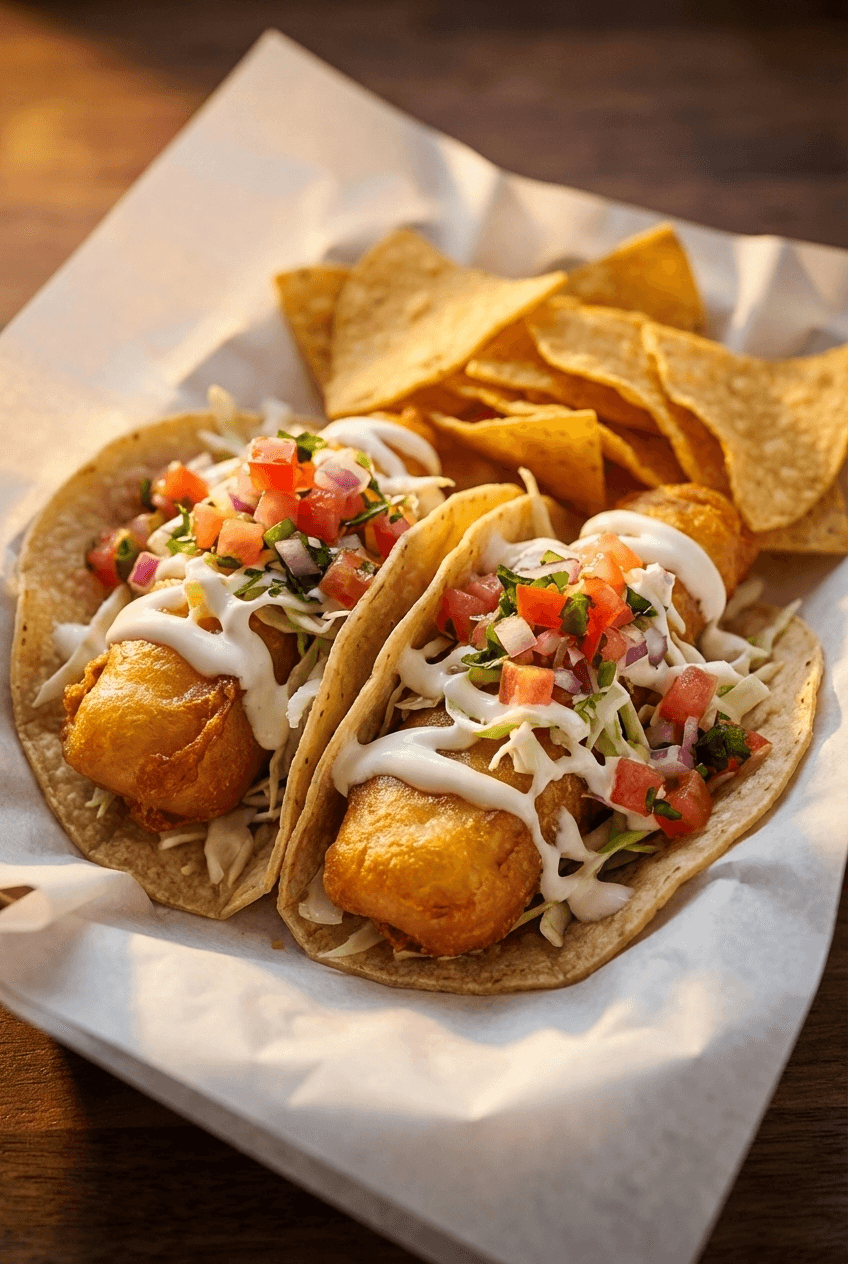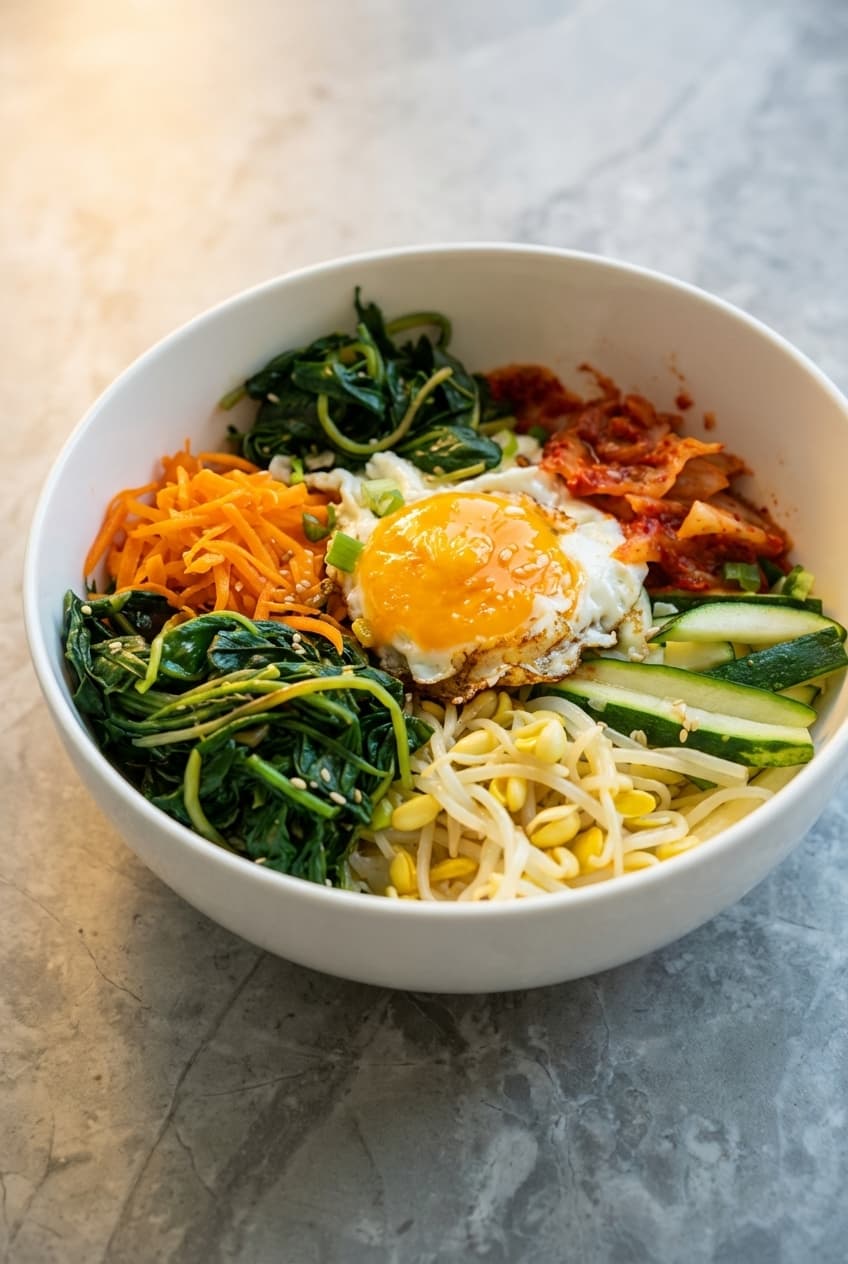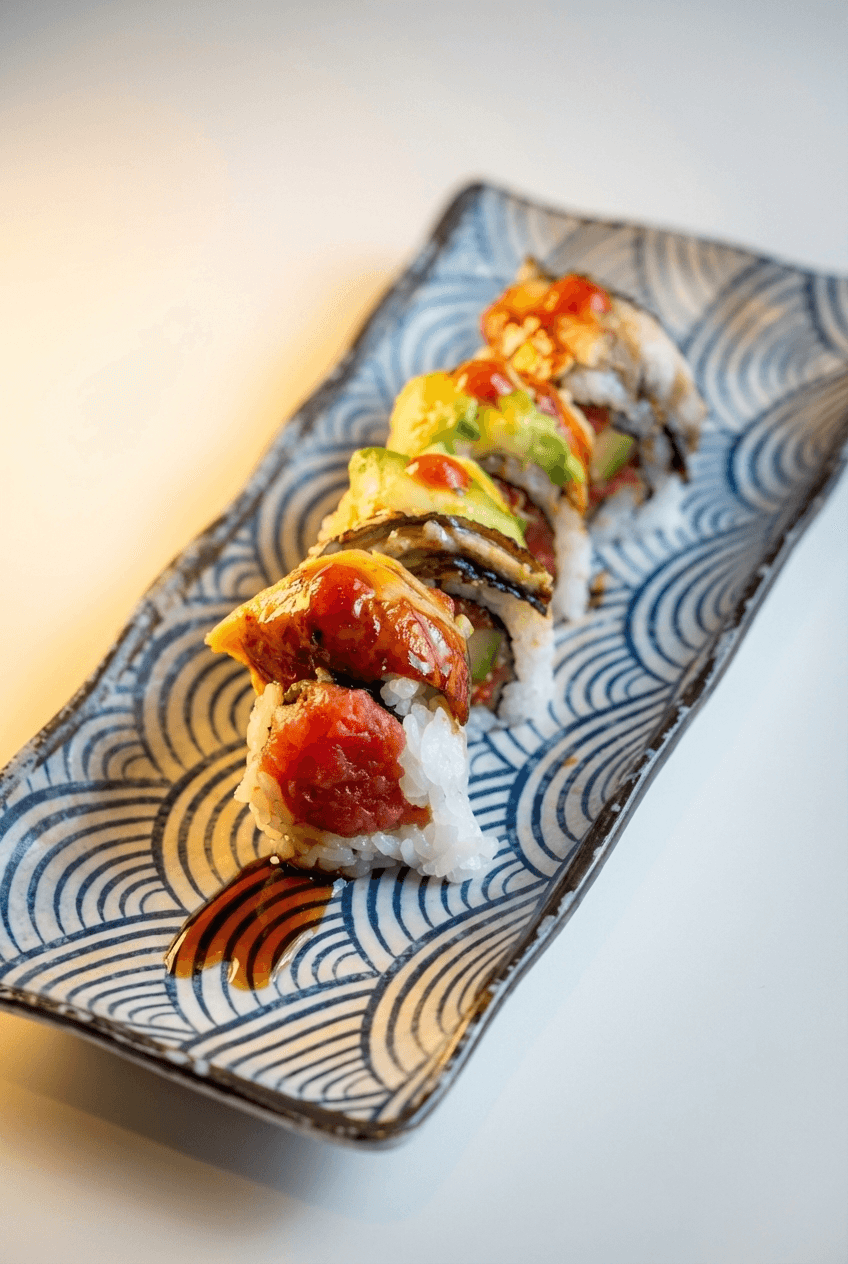
Lighting is the single most important factor in food photography. The same dish can look mouth-watering or unappetizing depending entirely on how it’s lit. This guide covers 7 practical lighting techniques that work with equipment you already have. For more general shooting advice, check out our 15 food photography tips guide.
Why Lighting Matters More Than Your Camera
A $200 phone with great lighting will produce better food photos than a $3,000 camera with bad lighting. For a comprehensive look at what actually drives revenue from food photos, see our food photography ROI breakdown. Here’s why:
- Color accuracy: Proper lighting shows the true, appetizing colors of food
- Texture visibility: Side lighting reveals the texture of a crispy crust, glistening sauce, or fresh herbs
- Depth and dimension: Good lighting creates shadows that give food a 3D, realistic appearance
- Mood and appetite appeal: Warm, soft light triggers appetite; cool, harsh light suppresses it
1. Window Light (The Best Free Setup)
Natural window light is the gold standard for food photography and it’s completely free.
How to set it up:
- Place your table next to a large window (north-facing is ideal, consistent, diffused light all day)
- Position the dish so light comes from the side (9 o’clock or 3 o’clock position)
- Use a white sheet or curtain to diffuse harsh direct sunlight
- Place a white foam board opposite the window to bounce light and fill shadows
Best for:
Bright, fresh, and natural-looking food photos. Think salads, breakfast items, smoothie bowls, and fresh pastries.
2. Backlight (The Secret Weapon)
Backlighting, placing the light source behind the food, is the technique professional food photographers use most. It creates a luminous glow that makes food look ethereal.
How to set it up:
- Position the dish between you and the window/light source
- The light should hit the back of the dish at roughly a 45-degree angle from above
- Use a bounce card in front (between you and the dish) to fill the front shadows
Best for:
Drinks, soups, anything with steam, translucent items (sauces, syrups, cocktails), and dishes with height.
3. Overhead Flat Light (The Instagram Standard)
Flat, even lighting from above is what you see in most Instagram food flat lays. It minimizes shadows and works great for top-down compositions.
How to set it up:
- Shoot near a window on an overcast day (nature’s softbox)
- Or use two matched lights on either side, both diffused
- Avoid any single directional light source
Best for:
Flat lays, pizza, plates with multiple components, charcuterie boards, and table spreads.
4. Dark and Moody (The Fine Dining Look)
Dark, dramatic lighting is the go-to for fine dining, whiskey bars, and artisanal cuisine. It creates an upscale, editorial feel. If you’re building a consistent visual brand around this style, our restaurant branding guide covers how to codify your photography style into a repeatable system.
How to set it up:
- Use a single side light source (one window, one lamp)
- Remove all bounce cards, let the shadows go dark
- Use a dark background (black slate, dark wood)
- Underexpose slightly in your camera settings
Best for:
Steaks, burgers, cocktails, chocolate desserts, anything where you want a luxurious, dramatic mood.
5. Two-Light Setup (The Consistent Choice)
If you need to shoot your entire menu in one session and need consistent results, a two-light setup is your best bet.
How to set it up:
- Key light: Main light at 45 degrees to the side, slightly above the dish
- Fill light: Secondary light at half the brightness, on the opposite side
- Both lights should be diffused (through softboxes, umbrellas, or even white bedsheets)
Budget option:
Two clip-on desk lamps ($15 each) with daylight LED bulbs ($5 each) and white printer paper as diffusion. Total: under $50.
6. Ring Light (The Quick Phone Solution)
Ring lights are popular for a reason, they provide even, shadow-free lighting that’s easy to set up with a phone.
How to set it up:
- Mount your phone in the center of the ring light
- Position 2–3 feet above the dish for overhead shots
- Use the warm setting (3000–4000K) for food, never cool/blue
Limitations:
Ring lights create flat, shadow-free images. Great for consistency, but they won’t give you the textured, dimensional look that side lighting provides.
7. Bounced Flash (The Event Photographer’s Trick)
If you need to photograph food in a dark restaurant with no natural light, bounced flash is your rescue technique.
How to set it up:
- Point your camera flash at the ceiling (never directly at the food)
- The light bounces off the white ceiling and falls softly onto the dish
- If the ceiling isn’t white, bounce off a white wall or white card held at 45 degrees
Best for:
Event photography, dark restaurants, situations where you can’t control the environment.
5 Lighting Mistakes That Ruin Food Photos
- Using the overhead restaurant lights: Yellow tungsten lights make food look greasy and unappealing. Turn them off and use natural or dedicated photo lighting.
- Direct flash: On-camera flash creates harsh shadows and blows out highlights. Always bounce or diffuse.
- Mixed color temperatures: Don’t mix natural daylight with warm indoor lights. Pick one source and stick with it.
- Shooting in blue/cool light: Cool light makes food look clinical and unappetizing. Always lean warm (3000–5000K).
- No fill light: Harsh shadows with no fill make food look dramatic but unappetizing. Use a bounce card to soften shadows.
Or Skip the Lighting Setup Entirely
If setting up lighting isn’t practical for your restaurant, CraveMode can fix lighting issues in your existing photos. Our photo enhancement service corrects exposure, color temperature, and shadow balance to produce evenly-lit, appetizing images from even the darkest phone shots. See the difference in our before-and-after showcase.
Upload your photos as-is, we handle the rest.