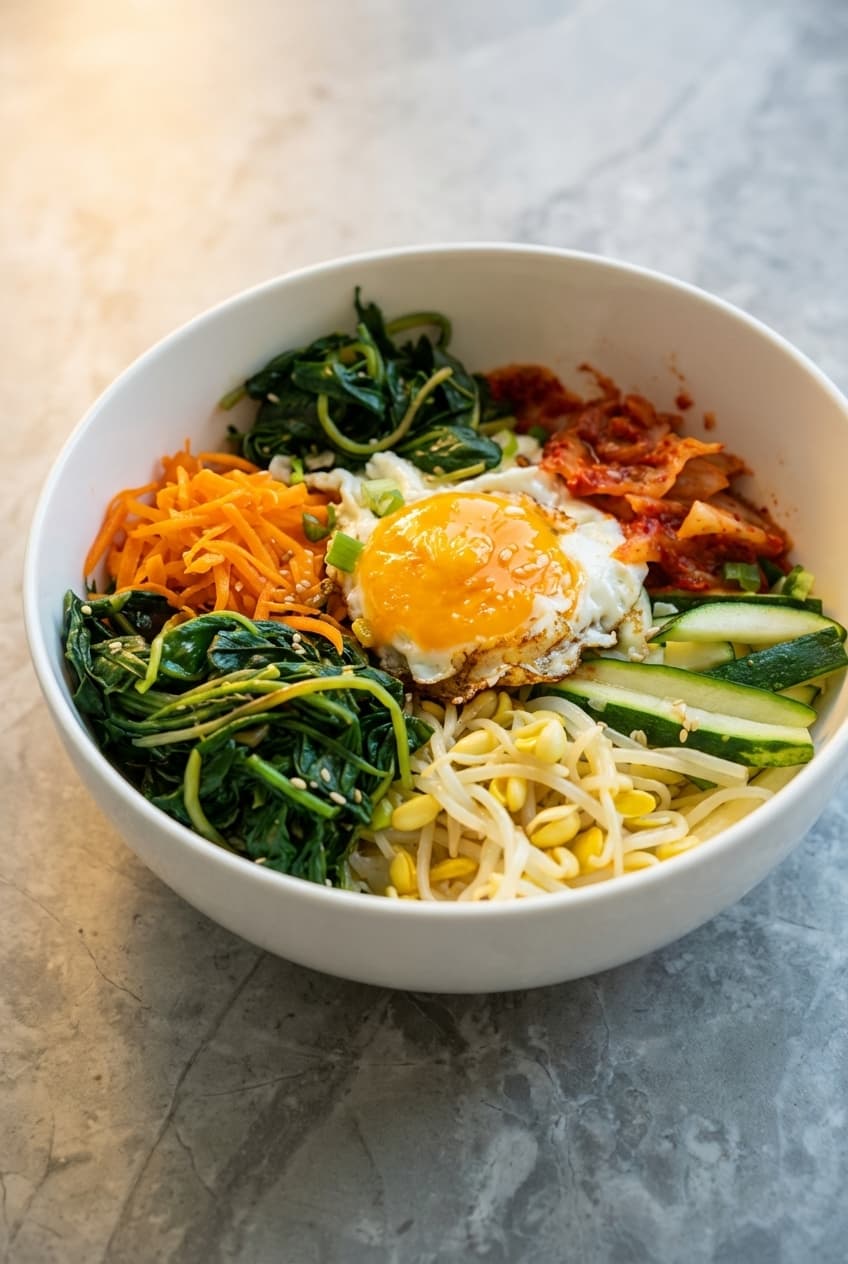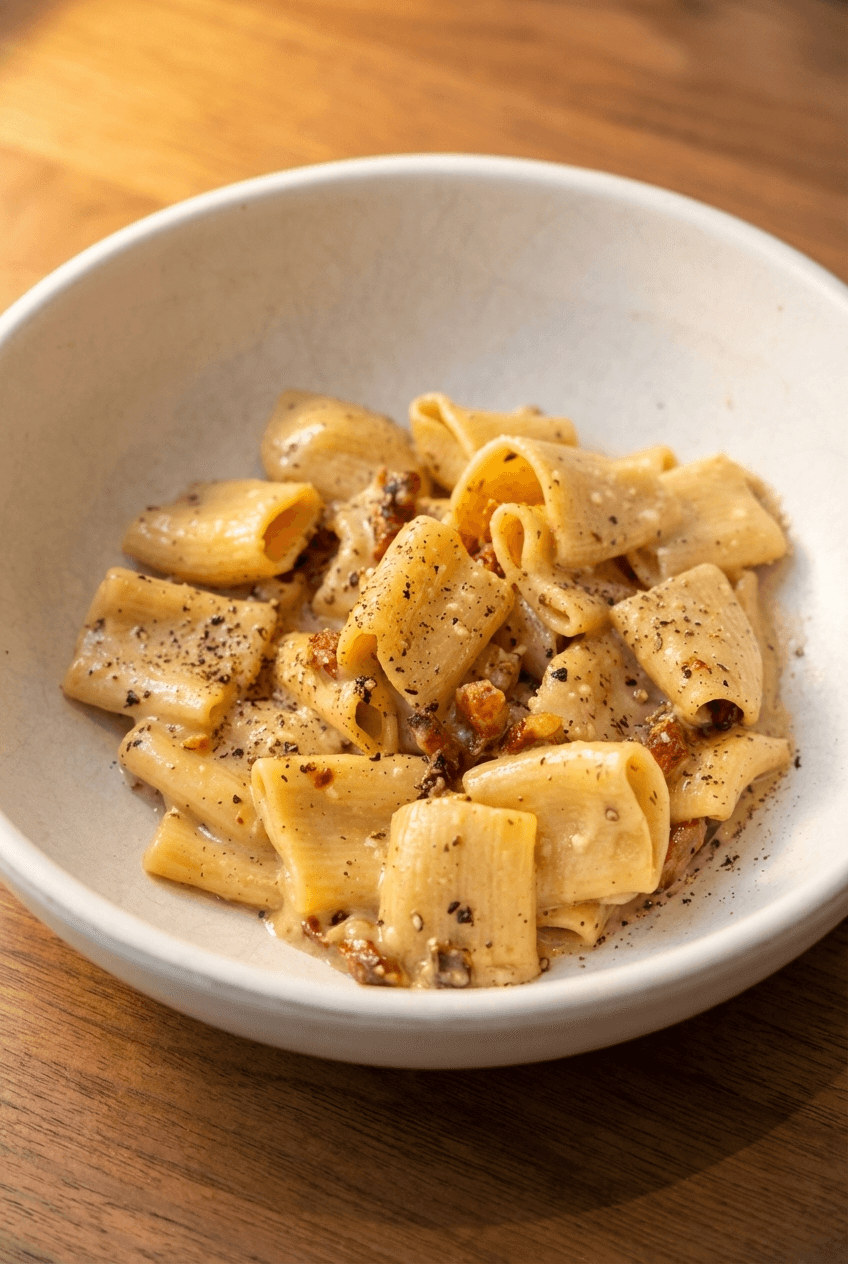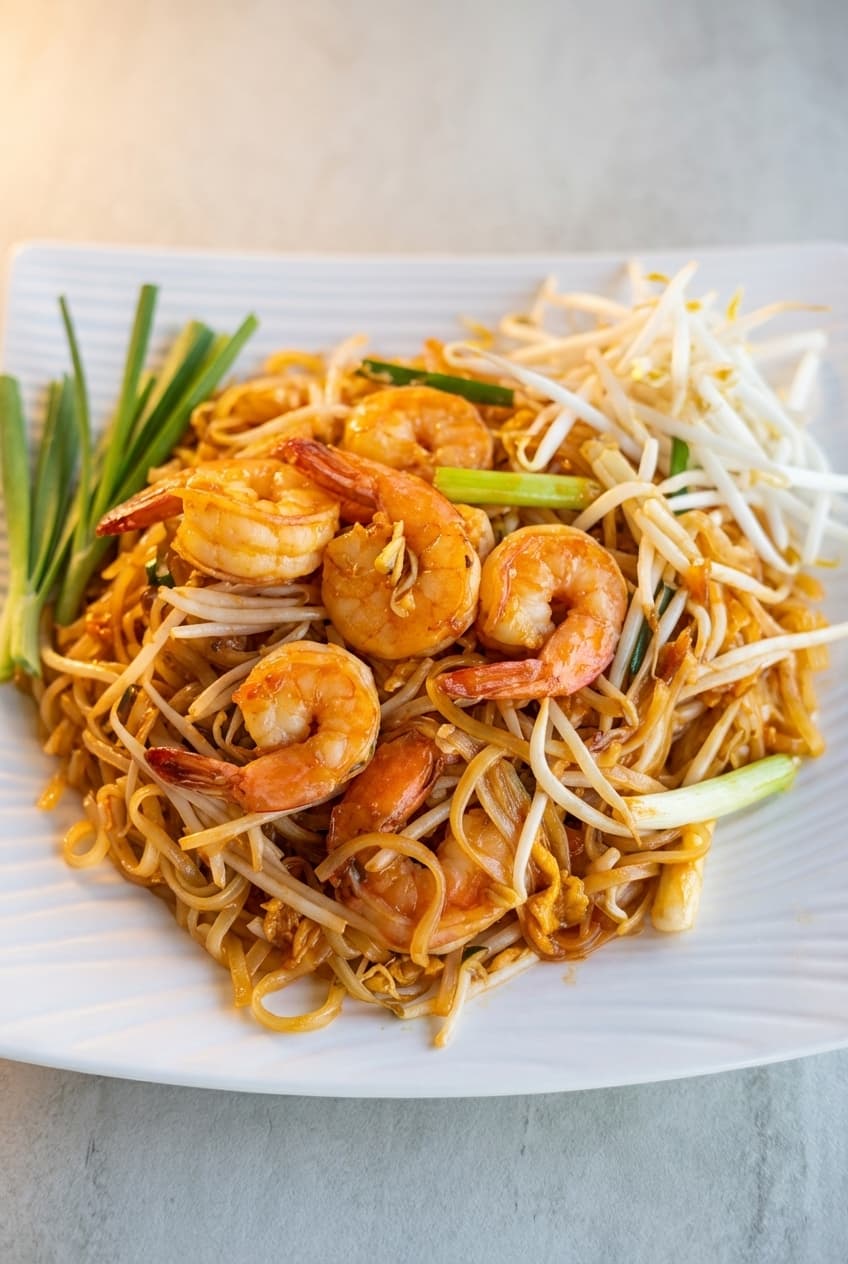
When you scroll past a Chipotle post on Instagram, you know it’s Chipotle before you see the logo. That instant recognition, that’s the power of visual branding. And it’s not reserved for billion-dollar chains. Any restaurant can build a recognizable visual identity with consistency, intentionality, and the right tools.
This guide covers how to use food photography as the foundation of your restaurant’s brand identity, from choosing a consistent style to building a visual guideline that your team can follow.
What Visual Branding Means for Restaurants
Visual branding is the collection of visual elements that make your restaurant recognizable at a glance. For restaurants, this goes far beyond just a logo. It includes:
- Photography style: The consistent way your food is lit, composed, and edited
- Color palette: The dominant colors in your photos, packaging, and environment
- Composition patterns: Your go-to angles, backgrounds, and props
- Editing treatment: How your photos are color-graded, filtered, and processed
- Typography: How text appears on your menus, signage, and social media graphics
When these elements are consistent across every touchpoint, Instagram, delivery apps, your website, Google Business Profile, in-store signage, you build a brand that customers remember and trust.
Why Consistency Is Everything
Inconsistent visuals signal an inconsistent experience. If your Instagram has bright, airy food photos, but your DoorDash listing has dark, blurry shots, customers don’t know what to expect. That uncertainty reduces trust and costs you orders.
Consistent visual branding does three things:
- Builds recognition: After seeing 5–10 posts in your style, followers recognize your content instantly in their feed, even before reading the caption or seeing your handle
- Builds trust: Consistency signals professionalism and attention to detail. If your visuals are polished and uniform, customers assume your food and service are too.
- Creates a premium perception: Two restaurants can serve the same quality food, but the one with cohesive visual branding will be perceived as more premium. This allows you to charge 10–20% more.
Choosing Your Photography Style
Your photography style should match your restaurant’s personality and target customer. For hands-on advice, see our food photography tips. Here are four common food photography styles and who they work for:
Bright & Fresh
Clean backgrounds (white or light marble), soft natural light, vibrant colors, minimal shadows. Think Sweetgreen, Dig Inn, Cava.
- Best for: Healthy/fast-casual, salad bars, juice shops, brunch spots, Mediterranean
- Signals: Fresh ingredients, clean eating, health-conscious
Dark & Moody
Dark backgrounds (black slate, dark wood), dramatic side lighting, deep shadows, rich colors. Think upscale steakhouses, whiskey bars, artisanal bakeries.
- Best for: Fine dining, steakhouses, cocktail bars, Italian, Japanese
- Signals: Luxury, sophistication, craftsmanship
Warm & Rustic
Natural wood surfaces, warm golden light, earth tones, slightly desaturated. Think farm-to-table, brewpubs, Southern cuisine.
- Best for: Farm-to-table, BBQ, brewpubs, comfort food, Southern/soul food
- Signals: Authenticity, home-cooked quality, warmth
Bold & Colorful
Saturated colors, playful compositions, bright backgrounds, high energy. Think Jollibee, Taco Bell’s premium line, boba tea shops.
- Best for: Fast food (elevated), Mexican, Indian, bubble tea, dessert shops
- Signals: Fun, bold flavors, youthful energy
Color Palette in Food Photography
Color is one of the most powerful branding tools, and in food photography, it comes from three sources: the food itself, the backgrounds/props, and the editing treatment.
How to Define Your Color Palette
- Identify your food’s natural colors: Italian food is heavy on reds, greens, and golds. Sushi is dominated by whites, pinks, and greens. BBQ is browns and reds. Let your cuisine guide your palette.
- Choose 2–3 background colors: Pick surfaces and plates that complement your food’s natural colors. Use the same 2–3 backgrounds for everything.
- Set an editing preset: Decide on the warmth, saturation, and contrast of your photos. Apply the same adjustments to every image.
Examples from Major Chains
- Chipotle: Warm earth tones, natural textures, rustic kraft paper. Every photo feels like it was taken in the same adobe-walled kitchen.
- Sweetgreen: Bright whites and greens, high key lighting, clean compositions. Every image screams “fresh and healthy.”
- Shake Shack: Dark backgrounds with vibrant food colors popping. The green and black brand colors appear subtly in every photo.
Building a Visual Style Guide
A visual style guide ensures consistency even when multiple people are creating content. It doesn’t need to be complicated, a simple one-page document covers the essentials:
What to Include
- Photography style: One of the four styles above (or your custom description)
- Primary angles: Your default shooting angles (e.g., “overhead for bowls and flatbreads, 45-degree for plated entrees”)
- Backgrounds: List your 2–3 approved surfaces (e.g., “white marble slab, light oak cutting board”)
- Plates and props: Which plates, utensils, and props are on-brand (e.g., “matte white plates, black iron skillets, linen napkins”)
- Color palette: Your 3–5 dominant colors, ideally with hex codes for digital consistency
- Editing settings: Brightness, contrast, saturation, warmth values (or a Lightroom preset name)
- Examples: 5–10 photos that represent your ideal style. These serve as reference for anyone shooting new content.
Common Visual Branding Mistakes
- No consistency between platforms: Your Instagram looks bright and curated, but your DoorDash photos are dark and unedited. Customers notice.
- Changing styles too often: Experimenting is fine, but switching from bright to moody to rustic every week confuses your audience and prevents recognition.
- Using random plates and backgrounds: Different plates, different surfaces, different props in every photo. Pick a set and commit to it.
- Over-editing or using strong filters: Heavy Instagram filters make food look artificial. Edit for accuracy and consistency, not for drama.
- Ignoring video style: Your photos follow a style guide, but your Reels are unedited phone footage. Video should match your photography brand. Our video creation service ensures visual consistency across both photos and videos.
How CraveMode Maintains Your Visual Brand
One of the hardest parts of visual branding is maintaining consistency over time. When you shoot your own photos, lighting changes, your mood changes, the seasons change. Every batch looks slightly different.
CraveMode solves this by applying a consistent enhancement style across all of your photos. When you onboard, we establish your visual brand, lighting style, color treatment, composition preferences, and every photo we enhance matches that standard perfectly.
- Same lighting treatment: Whether you uploaded a bright window-lit photo or a dark phone shot, the output matches your chosen style
- Same color palette: Consistent warmth, saturation, and contrast across every image
- Same composition: Crops and framing follow your style guide automatically
- Scale without drift: Your 100th enhanced photo looks exactly as consistent as your 1st
Your restaurant’s visual identity is a competitive advantage. Let CraveMode help you build it and maintain it across every platform, every menu item, and every post.