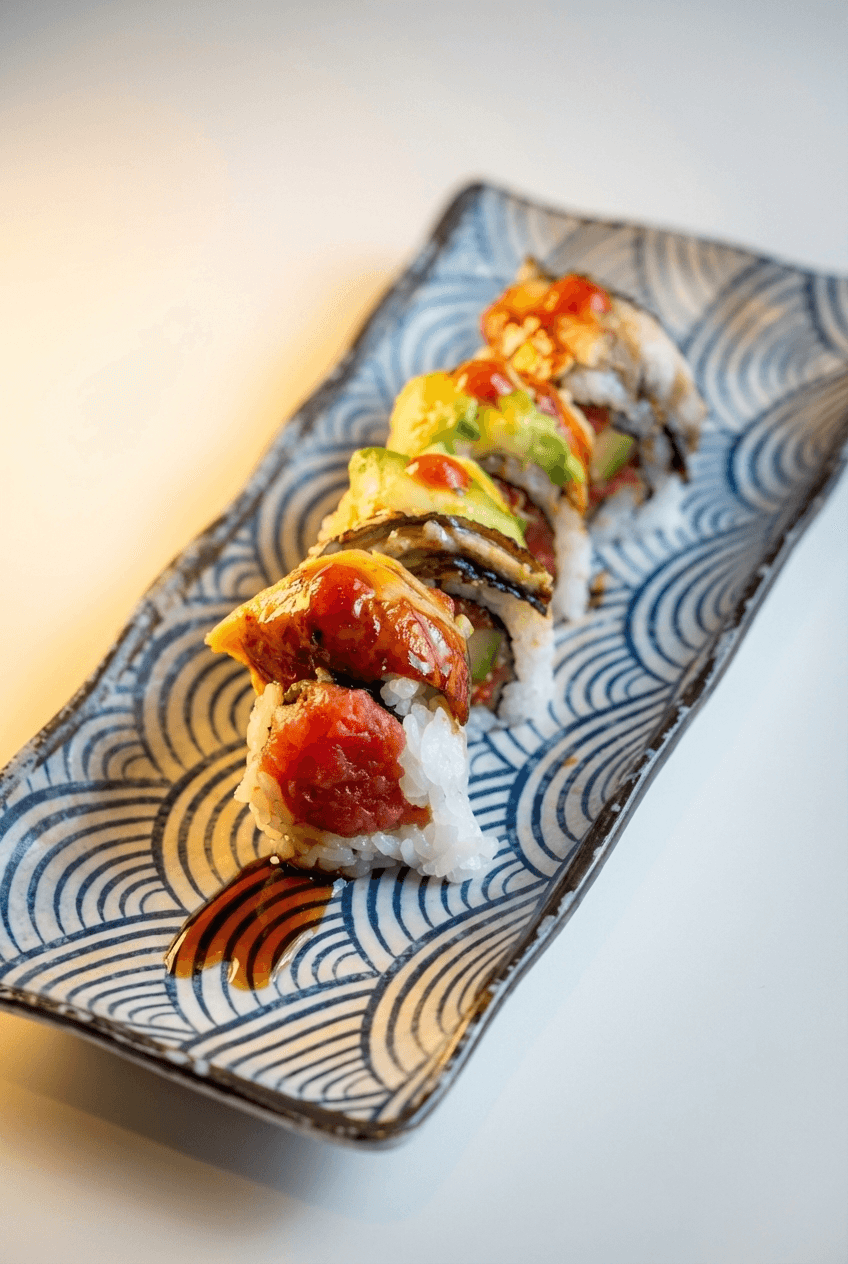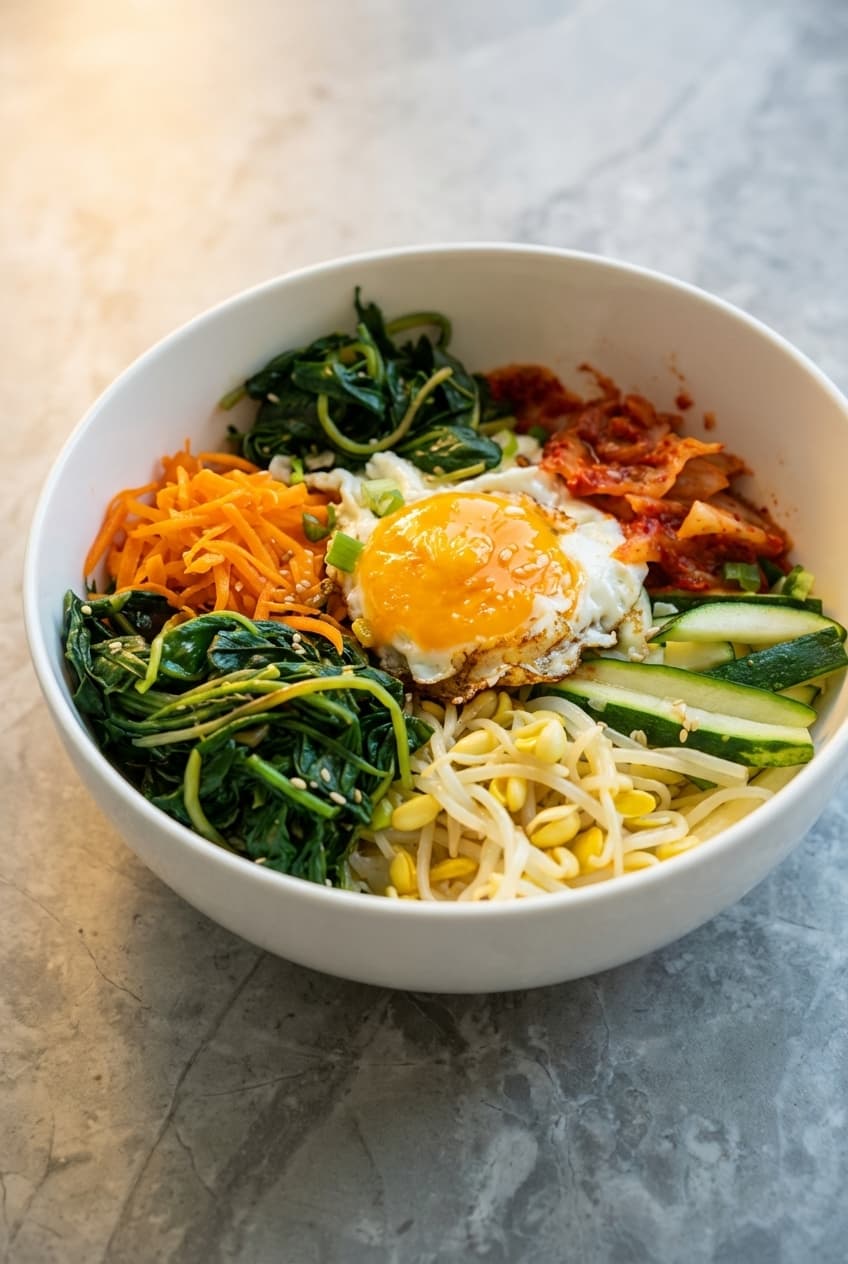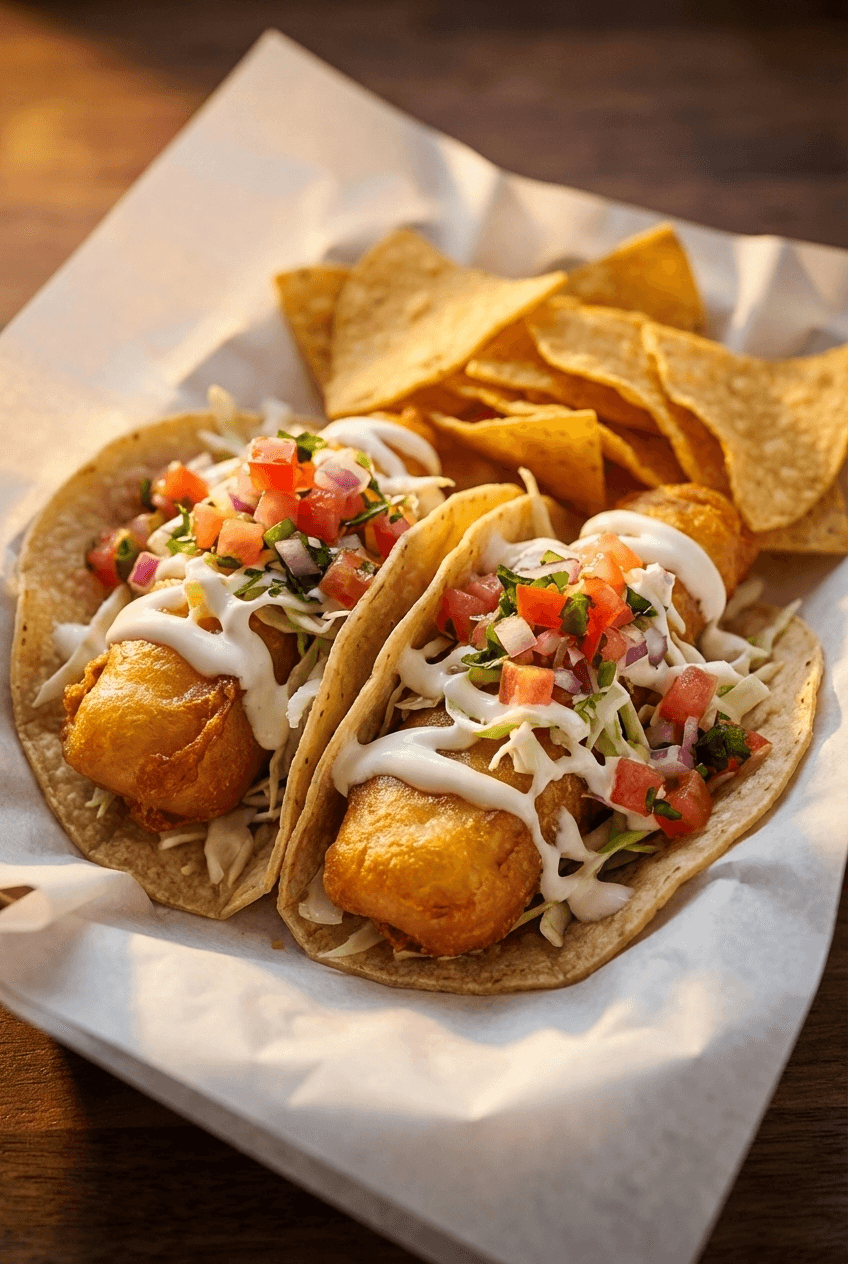
You don’t need a $3,000 camera to take great food photos. Most of the best food content on Instagram was shot on a phone. What matters is technique, and these 15 tips will immediately improve your restaurant’s food photography.
Lighting
1. Always Use Natural Light
Turn off the overhead restaurant lights and move your dish near a window. Natural, diffused daylight is the most flattering light for food. It’s warm, even, and free. For a deep dive into lighting setups, see our dedicated food photography lighting guide.
2. Never Use Flash
Direct flash creates harsh shadows, blows out highlights, and makes food look greasy. If it’s too dark for natural light, use a desk lamp with a daylight bulb bounced off a white wall.
3. Shoot During the Golden Hours
The hour after opening (10–11am for lunch spots) typically has the best natural light and the least chaos in the kitchen. Build a 15-minute photo window into your prep routine.
Angles & Composition
4. Use the 45-Degree Angle (Default)
The 45-degree angle (the way you naturally see food sitting at a table) is the most universally flattering. It shows both the top and the side of the dish, creating depth.
5. Go Overhead for Flat Dishes
Pizza, charcuterie boards, salads, and table spreads look best from directly above. Use a small step ladder or hold your phone above with both hands.
6. Get Eye-Level for Tall Dishes
Burgers, stacked pancakes, tall cocktails, and layered desserts look best at eye level. This angle emphasizes height and layers.
7. Use the Rule of Thirds
Turn on your phone’s grid lines. Place the main dish at one of the four intersections, not dead center. Off-center compositions feel more natural and professional.
8. Fill the Frame
Get close. Crop tight. The dish should fill 70–80% of the frame. Empty space around the plate makes food look small and unappetizing on phone screens.
Styling & Preparation
9. Photograph Food Within 5 Minutes
Food deteriorates fast under any light. Lettuce wilts, sauces congeal, ice cream melts, steam disappears. Have your camera angle and settings ready BEFORE the dish comes out.
10. Add Garnish Last
Fresh herbs, microgreens, a drizzle of oil, or a sprinkle of sesame seeds should be added right before shooting. They wilt fastest and make the biggest visual impact.
11. Use Spray Bottles for Freshness
A fine mist of water on salads, fruits, and vegetables mimics freshness and catches light beautifully. Professional food stylists always have a spray bottle handy.
12. Clean the Plate Edge
Wipe any drips, smudges, or crumbs from the rim of the plate before shooting. This takes 3 seconds and makes a huge difference in perceived quality.
Backgrounds & Props
13. Keep Backgrounds Simple
A clean wooden surface, white marble, dark slate, or even a plain tablecloth works perfectly. Busy backgrounds compete with the food for attention.
14. Use Complementary Props Sparingly
A fork, a linen napkin, a small herb sprig, or a glass of wine can add context. But don’t overdo it, the food is the star. 1–2 props maximum.
15. Be Consistent Across Your Menu
Use the same background, angle, and lighting style for all your menu items. Consistency across 30+ photos signals professionalism and makes your menu easier to browse on delivery platforms. For a full guide on building a cohesive visual style, see our restaurant branding guide.
Quick Phone Settings Checklist
- Turn on grid lines (Settings → Camera → Grid)
- Set to highest resolution
- Tap the food on screen to focus and set exposure
- Lock exposure by long-pressing (prevents auto-adjustment)
- Turn off HDR for more natural-looking food
- Clean your lens (seriously, kitchen grease is real)
Or Skip the Work Entirely
Already have photos but they don’t look great? CraveMode enhances your existing food photos, fixing lighting, colors, backgrounds, and composition automatically. Upload your phone photos and get back professional-quality images in minutes. Curious about the cost? See our food photography cost breakdown.